

Wellness has become one of the most visible themes in hospitality. It appears in architecture, brand language, spa menus, room concepts and destination positioning across every segment of the market. Yet the growing popularity of wellness has also created a problem. In many cases, the term is used too loosely, reduced to aesthetics, temporary consumer interest or a set of familiar design cues. Soft tones, natural materials and a treatment menu may suggest wellness, but they do not automatically create a hospitality concept with real depth or long term relevance.
For owners, investors and operators, this distinction matters. A wellness driven project can carry significant market potential, but only when it is developed with clarity, credibility and a strong understanding of what guests are actually seeking. The most successful concepts are not built around surface level trends. They are built around a coherent idea of regeneration, balance, health and experience that can be translated into the property, the service model and the commercial logic of the business.
Wellness Hospitality Beyond Trend Driven Thinking
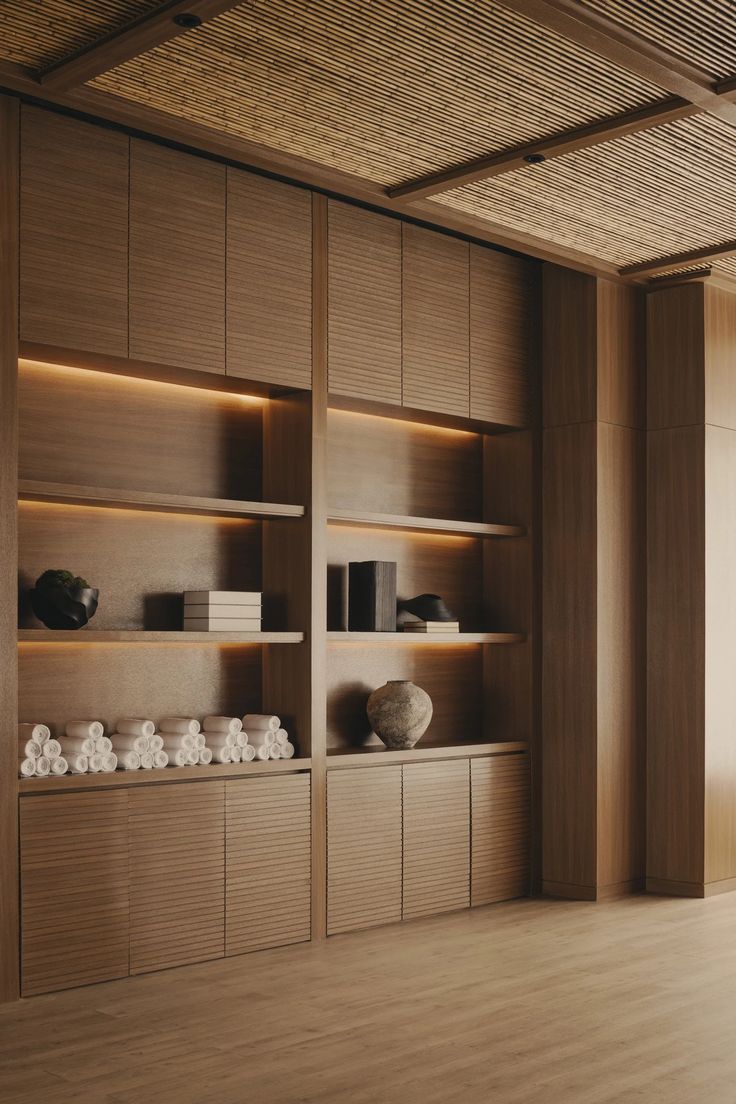
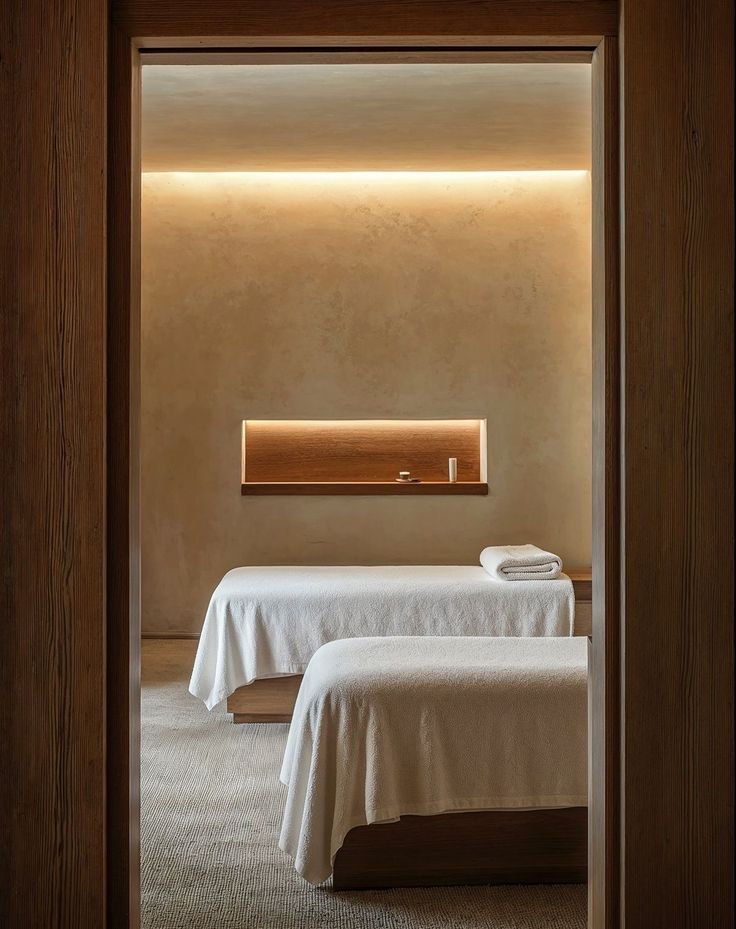
One of the reasons wellness has become so widespread is that it responds to a real shift in guest behaviour. Travellers are increasingly looking for experiences that help them restore energy, improve quality of life and reconnect with themselves in a more meaningful way. This applies not only to dedicated spa or retreat guests, but also to business travellers, urban escape seekers and leisure guests who expect a more thoughtful hospitality experience overall.
The challenge is that market demand alone does not create a strong concept. When wellness is treated primarily as a marketing category, projects tend to become interchangeable. The visual language may be elegant and the promise may sound appealing, but the guest experience often lacks precision. The result is a concept that feels familiar rather than distinctive, expensive rather than valuable, and trend aware rather than strategically grounded.
A more resilient approach begins by asking different questions. What does wellness mean in the context of this destination, this property and this target group? What role should it play in the overall positioning of the asset? Is the project creating a complete hospitality proposition, or simply adding a wellness layer to an existing offer? And most importantly, is the concept capable of delivering sustained guest relevance rather than short term attention?
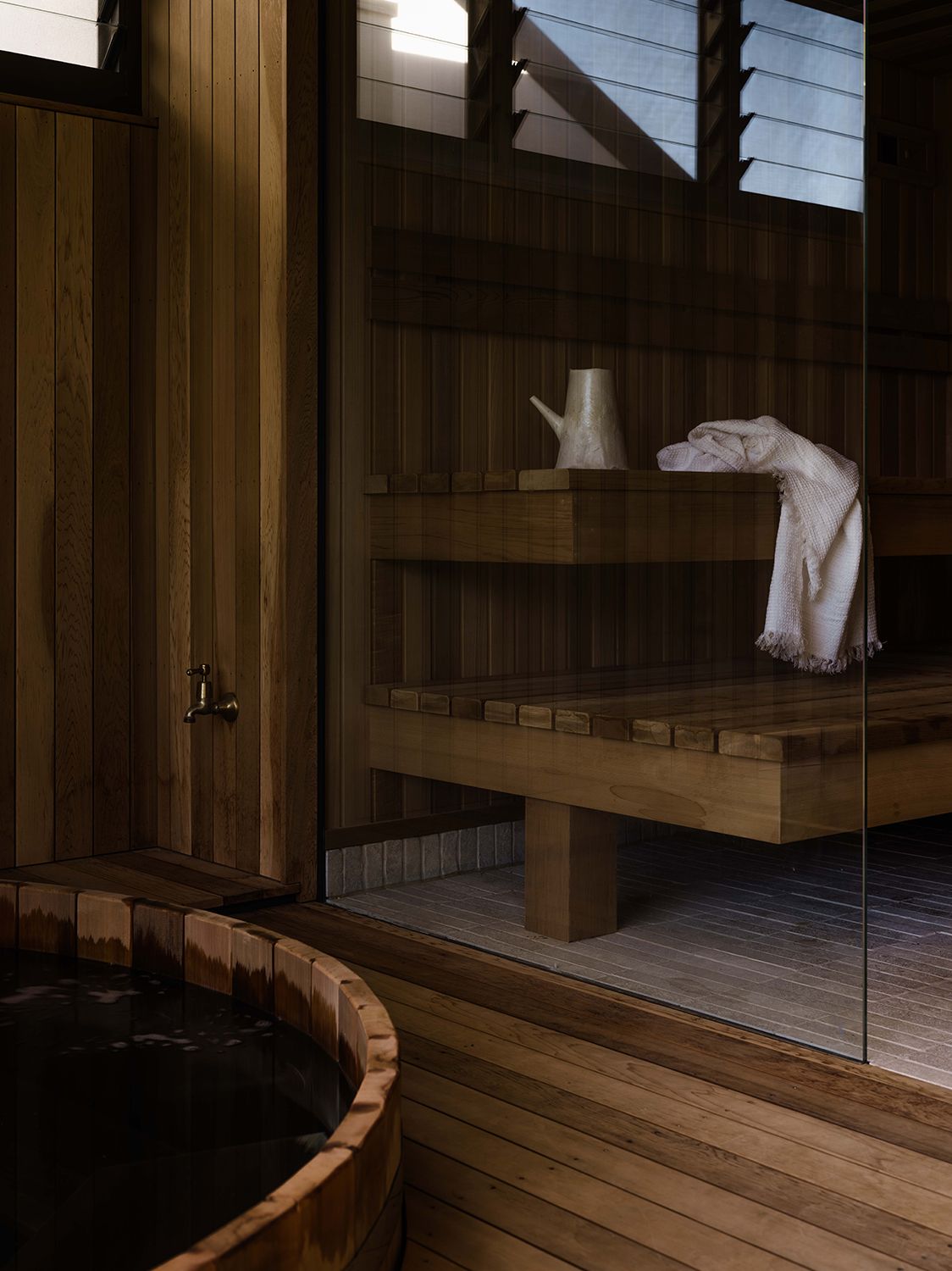
Wellness hospitality becomes powerful when it is developed as an integrated concept rather than an isolated feature. That means the guest does not encounter wellness only in the spa, but across the wider experience of the property.
This starts with the physical environment. Architecture, materiality, sound, lighting and spatial flow all influence how a place is experienced. A project that wants to stand for regeneration must reflect that intention in the way it is designed and navigated. The rooms, public spaces, wellness areas, food and beverage offer and outdoor environment should feel connected by a clear point of view.
It continues through operations and service culture. Wellness is not only about facilities. It is also about rhythm, calm, attentiveness and a sense of care that guests can feel throughout their stay. Staff interaction, timing, programming and the quality of transitions between spaces all contribute to whether a concept feels credible. If the service culture does not support the promise of the brand, even the most attractive environment will struggle to create lasting value.
Food and beverage also plays a central role. In many wellness projects, this is still one of the least resolved areas. Either it becomes too restrictive and detached from enjoyment, or it remains too disconnected from the overall concept. The strongest projects understand that wellbeing and pleasure do not need to be in conflict. They build culinary experiences that feel balanced, thoughtful and aligned with the identity of the destination and the expectations of the guest.
The importance of conceptual coherence
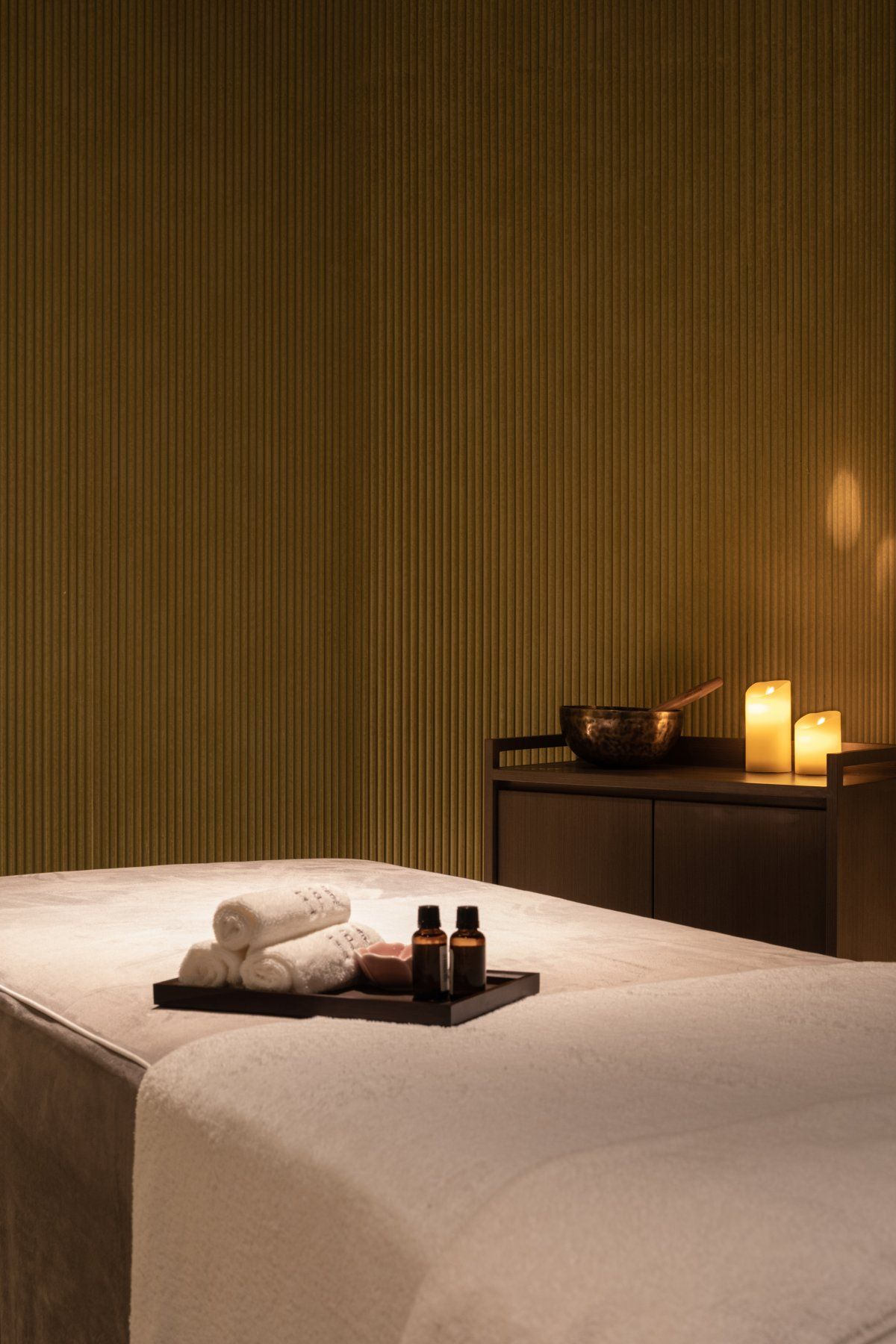
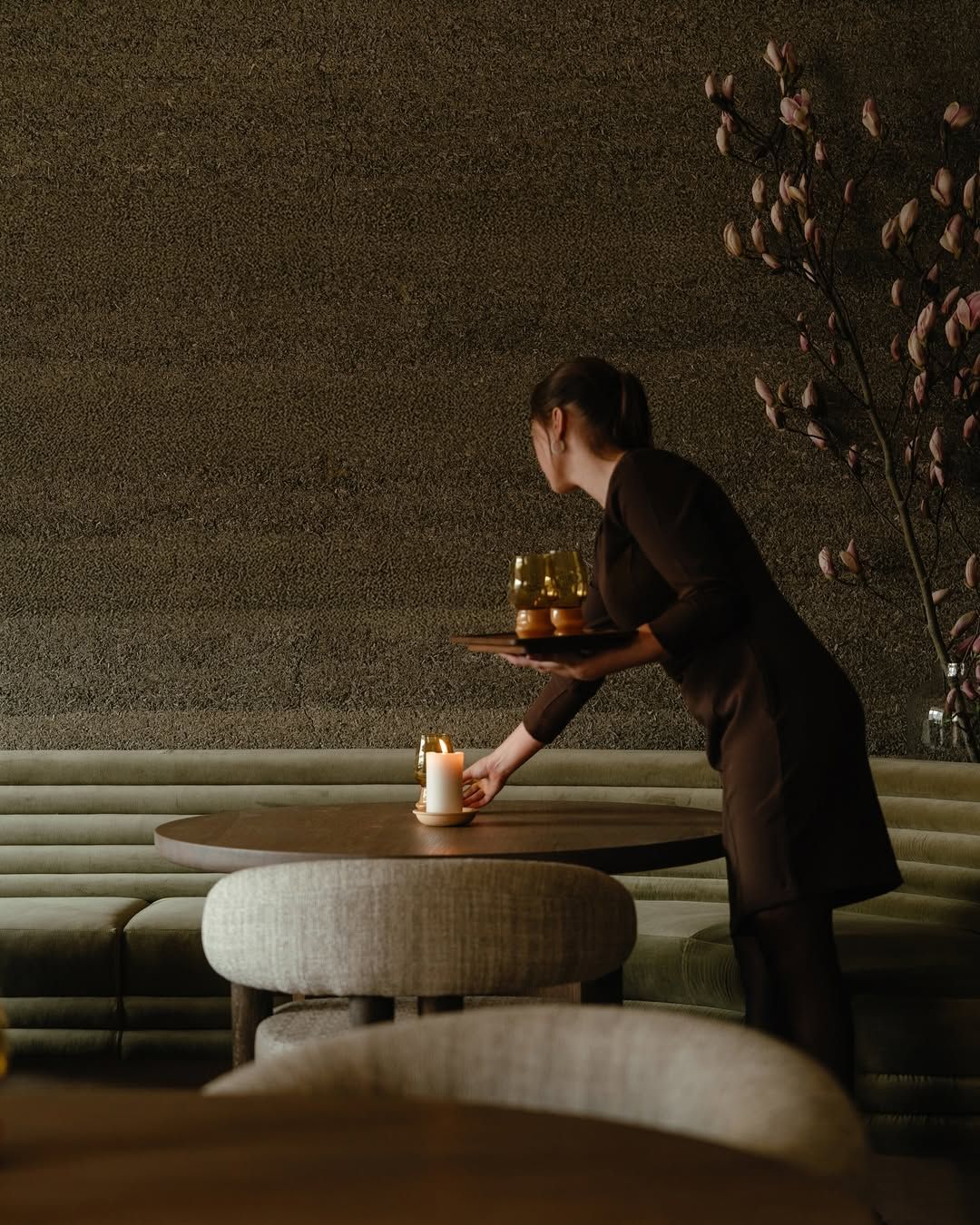
There is no single wellness guest. That is where many concepts become vague. They try to speak to everyone and end up offering too little clarity to anyone in particular.
A project aimed at high performing urban professionals will need a different wellness logic than a resort built around slow travel and nature. A thermal hospitality concept has a different credibility base than a design hotel adding a small spa component. A destination rooted in wine, landscape or cultural heritage will create value differently from a property focused on medical wellbeing or longevity.
This is why positioning is so critical. Wellness hospitality only becomes commercially strong when it is clearly aligned with the right audience, the right location and the right operational model. Without that alignment, projects often overinvest in features that do not translate into loyalty, pricing power or long term differentiation.
For investors and owners, this also means that wellness must be examined through a feasibility lens. The concept has to support not only the guest narrative, but also the business model. Programming, staffing, partnerships, treatment strategy, seasonality, spend per guest and revenue mix all need to be considered from the beginning. A compelling wellness concept should create emotional value for the guest and strategic value for the asset.
Wellness needs market clarity, not just emotional appeal
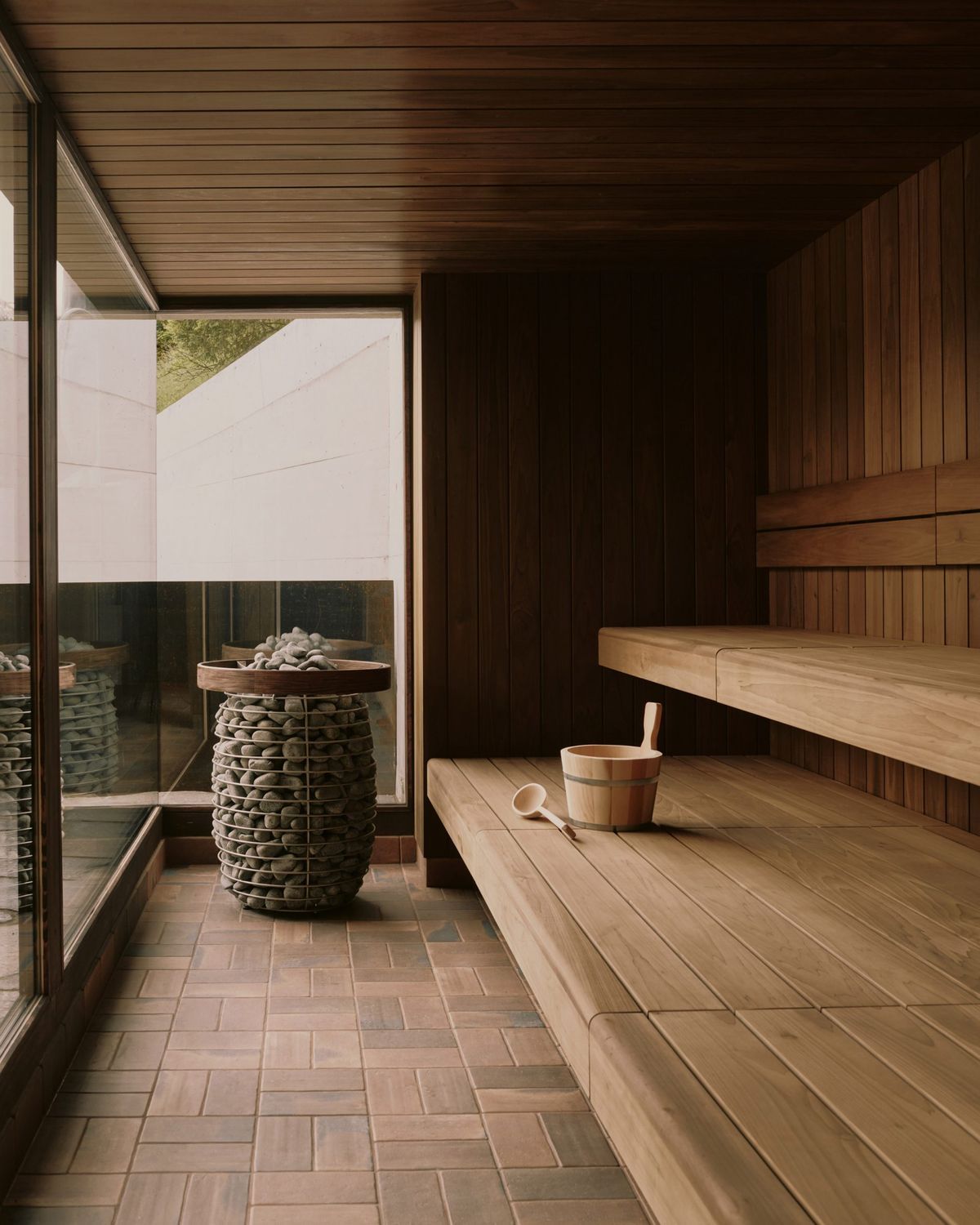
Wellness hospitality is often discussed through branding and design, but its durability depends on operational discipline. A concept can only remain attractive if it is supported by the right service structures, cost logic and team capabilities.
That includes questions of staffing, training, guest journey design, scheduling, maintenance, partnerships with practitioners or specialists, and the operational relationship between wellness, rooms, food and beverage and wider programming. If these elements are not aligned, the experience becomes fragmented and performance weakens over time.
This is where trend driven thinking becomes especially risky. Trends often encourage fast decisions and visual shortcuts, while strong hospitality concepts require patience, structure and a realistic view of delivery. In other words, successful wellness projects are not the ones that react fastest to market language, but the ones that build the strongest foundation behind their promise.
Long term success requires operational realism
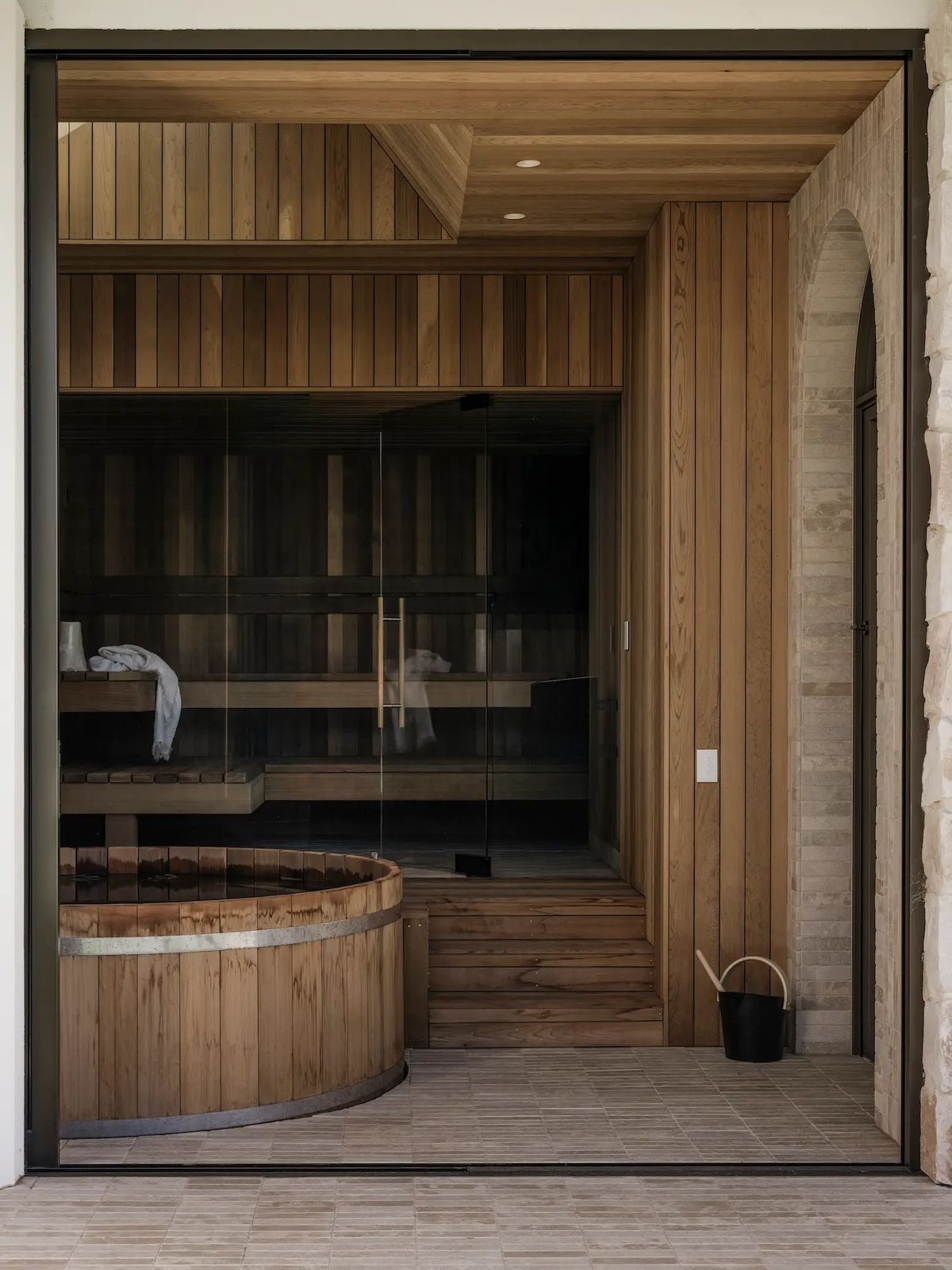
Wellness is not disappearing from hospitality. On the contrary, it will remain one of the defining themes of the sector for years to come. But the projects that will endure are those that move beyond category language and build something more substantial.
They understand wellness not as a decorative add on, but as a strategic framework for experience, place, service and long term value creation. They know that credibility matters more than fashion, that clarity matters more than breadth, and that the most meaningful concepts are those that connect emotional resonance with economic strength.
For hospitality leaders, the opportunity is not simply to follow the visibility of wellness. It is to interpret it with more intelligence, more precision and more depth. Because in the end, the future of wellness hospitality will not be defined by trend adoption. It will be defined by concepts that genuinely improve how people feel, how destinations are experienced and how hospitality businesses create lasting relevance.